Direct answer
A pool equipment RFQ produces comparable quotations when it fixes the scope for every bidder (one hydraulic schematic, one equipment schedule with shared flow assumptions, explicit documentation and warranty requirements, and a response format that forces line-item pricing) so differences between offers reflect price and quality, not different guesses about the project.
Key takeaways
- Quotes diverge because scopes diverge; fix the scope and the prices become comparable.
- Send every bidder the same drawings, equipment schedule and response format.
- Require data sheets, manuals, warranty terms and spare parts pricing inside the quotation, not after the order.
- Evaluate compatibility and documentation quality with the same seriousness as price.
A useful request for quotation defines one project and gives every bidder the same issue set. It also provides a response format, so omissions and alternatives are visible before the buyer compares prices.
What goes into the RFQ package
- Project summary: pool type, dimensions, location, residential or commercial, applicable code;
- Drawings: general arrangement and hydraulic schematic with pipe sizes; for covers, the dimensions from the measurement sheet;
- Equipment schedule / bill of materials: every item with quantity and specification, built from one set of flow assumptions as described in the system overview;
- Performance requirements: design flow at estimated head for the pump (sizing method), filter area, heater output, sanitization capacity;
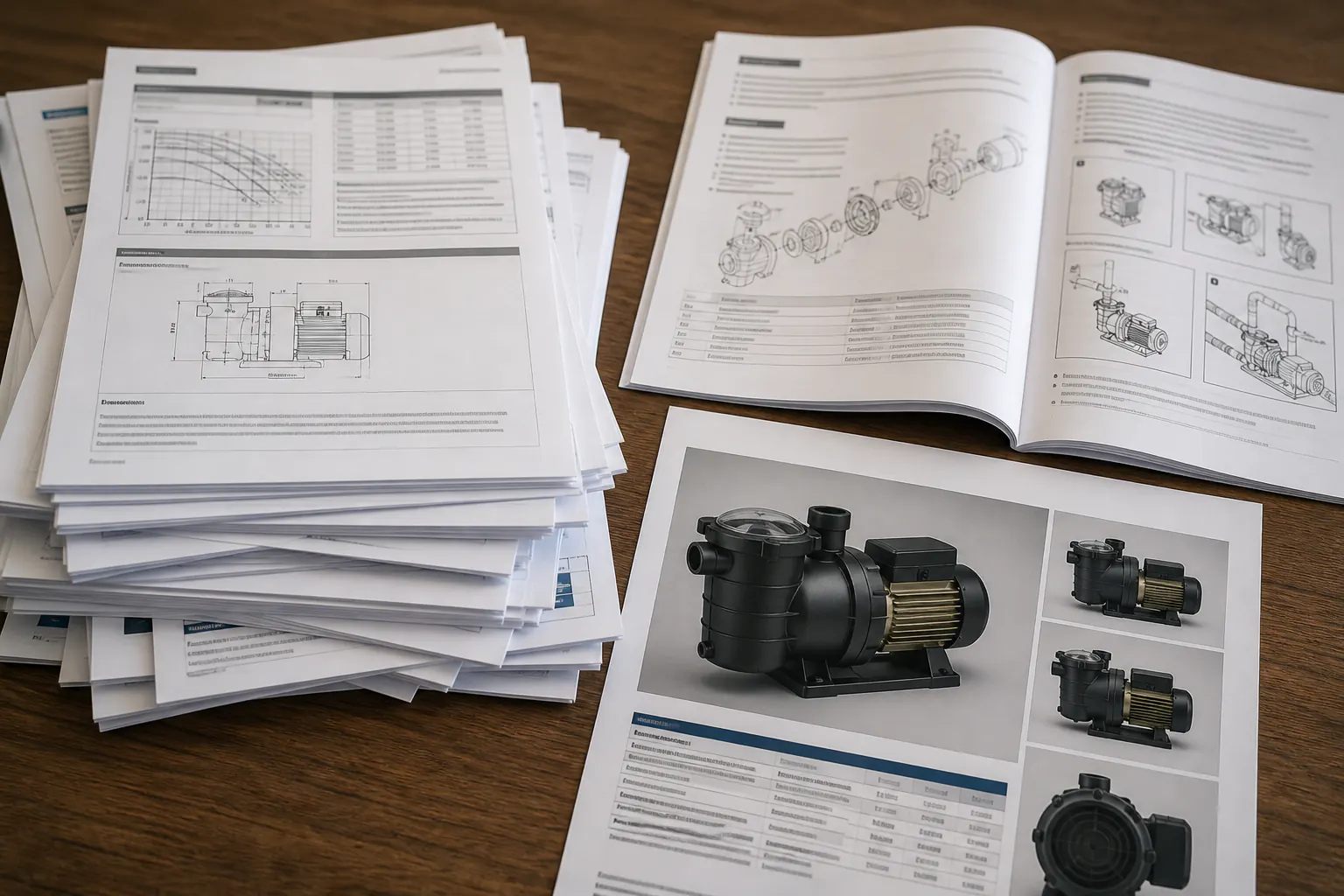
- Documentation requirements: see below;
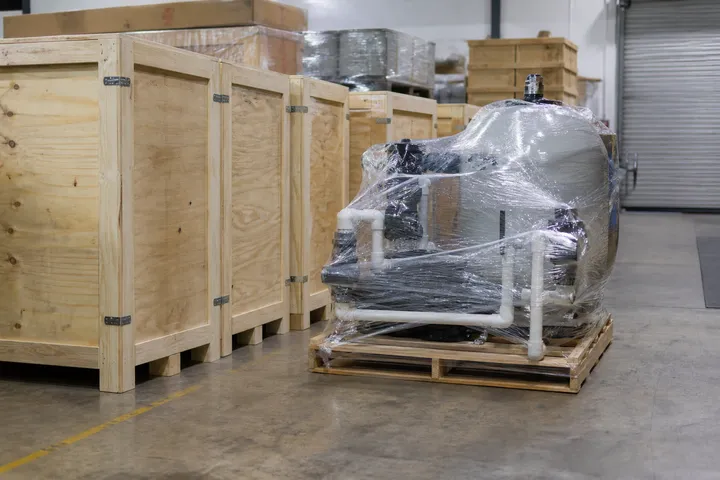
- Commercial terms: delivery point, packaging, schedule, payment framework;
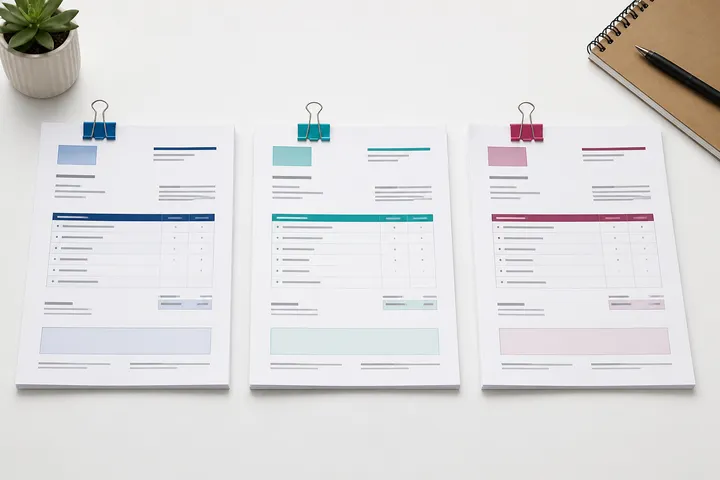
- Response format: line-item pricing against your schedule, stated exclusions, alternatives quoted separately with data sheets.
Add a document register with the title, revision and date of every attachment. If one drawing changes during the inquiry, issue the replacement to all bidders and record the change. Do not rely on an email subject line to control the technical issue set.
Define package boundaries
State who supplies and who installs the items around the main equipment. Typical boundaries include valves, electrical connections, gas or fuel work, condensate, backwash waste, chemical tubing, controls, cover conduits, drainage and startup chemicals. The RFQ does not need one supplier to own all of them, but it should assign each item somewhere.
For each excluded builder item, include the drawing or manual requirement the builder must price. A statement such as “electrical by others” is too broad if it does not identify the load, voltage, panel location or control connection expected from that other party.
Documentation belongs in the quotation
Require inside the offer, not after the order:
| Deliverable | Why at quotation stage |
|---|---|
| Data sheets for each item | Verifies the offered item matches the specification |
| Installation manuals | Reveals clearance, drainage and electrical needs early |
| Warranty terms in writing | Comparable across bidders only if stated |
| Spare parts list with prices | Exposes lifecycle cost and support reality |
| Compliance references | Standards and certifications actually held |
Missing documentation at quotation stage leaves the buyer unable to verify the proposed item. Mark the line as open and request the document before technical approval.
Give bidders one clarification route
Set a deadline and contact for questions. Answer material questions in a written clarification issued to every bidder, with project names and confidential commercial information removed where appropriate. If the answer changes a drawing or schedule, issue a new revision instead of relying on the clarification alone.
Keep a log with the question, answer, affected document and issue date. This gives the evaluation team a clear record of which assumptions were available to all bidders.
Evaluate the full offer
Compatibility review checks voltages, connections, controls and the shared hydraulic assumptions. Completeness review maps the quotation to every schedule line, including valves, unions, sensors and other accessories. Substitutions need data sheets and a written comparison with the requested performance.
Support and spare-parts information may carry more weight on commercial projects where downtime affects operations. State the evaluation method in the RFQ when the procurement process requires it.
Use the same exception log for each bidder. An exclusion, unanswered line or unapproved substitute remains open until the bidder confirms the accepted treatment in writing.
Ask for a line-by-line return
The response table should repeat the buyer’s item number and description. Add columns for proposed model, quantity, unit and extended price, lead time, data-sheet reference and exclusion or deviation. Ask bidders not to replace the table with a bundled total.
When a bidder offers an alternative, keep the base response and alternative separate. This lets the buyer compare the requested scope first and assess the alternative on its own evidence.
After award
Convert the winning quotation into the order with the schedule, data sheets and warranty terms attached as contract documents, and require submittals for any item still marked “equivalent.” Handover documentation (as-builts, manuals, commissioning records) should already be a line in the schedule.
Before issuing the order, reconcile the final clarifications with the quotation. Attach the accepted exception log and identify any item that still depends on later approval. The order should preserve the same package that was evaluated rather than reducing it to a total and delivery date.
Score the replies with compare pool equipment quotes. If the goods will cross a border, run the importing checklist before you issue the order. A copy-ready brief is on the RFQ template. Related procurement guides are collected in the Procurement & Specifications hub.
Frequently asked questions
What is the difference between an RFQ and just asking for prices?
An RFQ defines the requirement precisely enough that all suppliers price the same thing (quantities, specifications, documentation and commercial terms) so the buyer compares offers rather than reconstructing them.
Should an RFQ specify brands or performance?
Specify performance (flow at head, filter area, output) plus any hard compatibility constraints, and allow equivalent alternatives with data sheets. Locking every brand narrows competition; specifying nothing invites incomparable guesses.
Sources
- Pool Pumps — ENERGY STAR Accessed August 23, 2026.
- Model Aquatic Health Code — U.S. Centers for Disease Control and Prevention Accessed August 23, 2026.
- FAR 15.203, Requests for Proposals — U.S. General Services Administration Accessed August 23, 2026.