Direct answer
Importing pool equipment works when the order specifies voltage and frequency, packing that survives the route, a complete document pack, spare parts for first-year service, and an acceptance checklist at destination. Price and transit time matter, but mismatched power, missing manuals or crushed housings cost more than freight ever saves.
Key takeaways
- Confirm electrical ratings before the order, not after the crate arrives.
- Packing, moisture protection and lifting points are specification items.
- Commercial invoices, packing lists, data sheets and warranties must travel with the goods.
- Plan inspection at destination against the same BOM used to compare quotes.
This checklist assumes the equipment package is already specified. It keeps the cross-border order tied to the RFQ and the quote comparison. Customs, tax and local approval questions still need advice for the shipment and destination involved.
When to use it
- After the equipment schedule is frozen;
- Before the purchase order is issued;
- Again at destination, as the acceptance punch list.
Give each stage its own signed record. The purchase review confirms what may be ordered. The pre-shipment review confirms what has been built and packed. The destination review records what arrived. Using one undated checklist for all three makes it difficult to tell when a mismatch first appeared.
Technical inputs
- Voltage, frequency and phase for every motor and control panel;
- Design flow and head still match the pump sizing and filter limits;
- Climate provisions from hot-climate equipment if the site needs them;
- Cover system ordered as a complete component set, including tracks and controls;
- Local code marks or approvals identified as the buyer’s or the supplier’s responsibility.
Copy the approved model number and electrical data from the technical submittal into the purchase order. Do not shorten a model family to a brand and horsepower description. Controls, motors and accessories within one family may have different ratings.
For packaged systems, identify the connection points between imported and locally supplied work. Pipe adapters, cable glands, isolation devices and mounting hardware can sit on either side of that boundary. Put the decision in the BOM rather than leaving it for installation.
Documents that must travel with the order
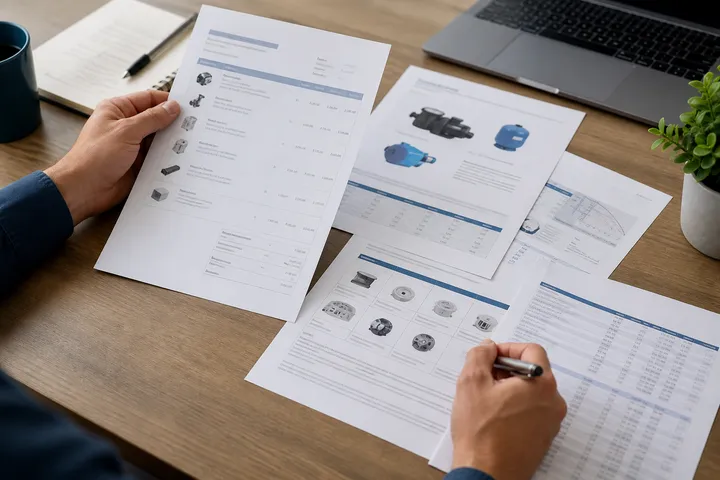
- Commercial invoice and packing list that match the BOM line for line;
- Data sheets and installation manuals for the delivered models;
- Warranty terms in writing;
- Spare-parts list with part numbers;
- Material certificates or declarations only if the project actually requires them.
Use the RFQ template so these files are promised at quotation, not invented at the port.
Pre-shipment document check
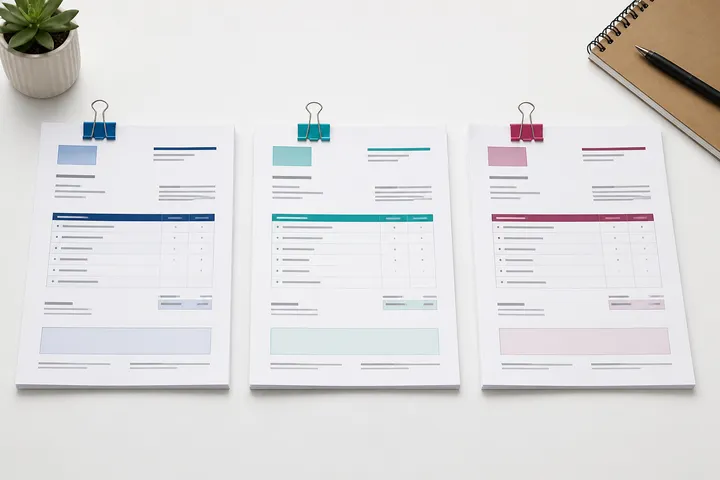
Before releasing the goods, compare four records side by side:
| Record | What should agree |
|---|---|
| Purchase order | Approved model, quantity, price and delivery terms |
| Commercial invoice | Seller, buyer, description, quantity and declared values |
| Packing list | Crate or pallet contents, weights and package identifiers |
| Approved submittal | Model number, electrical data and included accessories |
Ask the supplier to explain any difference before shipment. A clerical description can sometimes be corrected in the documents. A different nameplate or missing accessory requires a technical decision, not a paperwork edit.
Packing and logistics
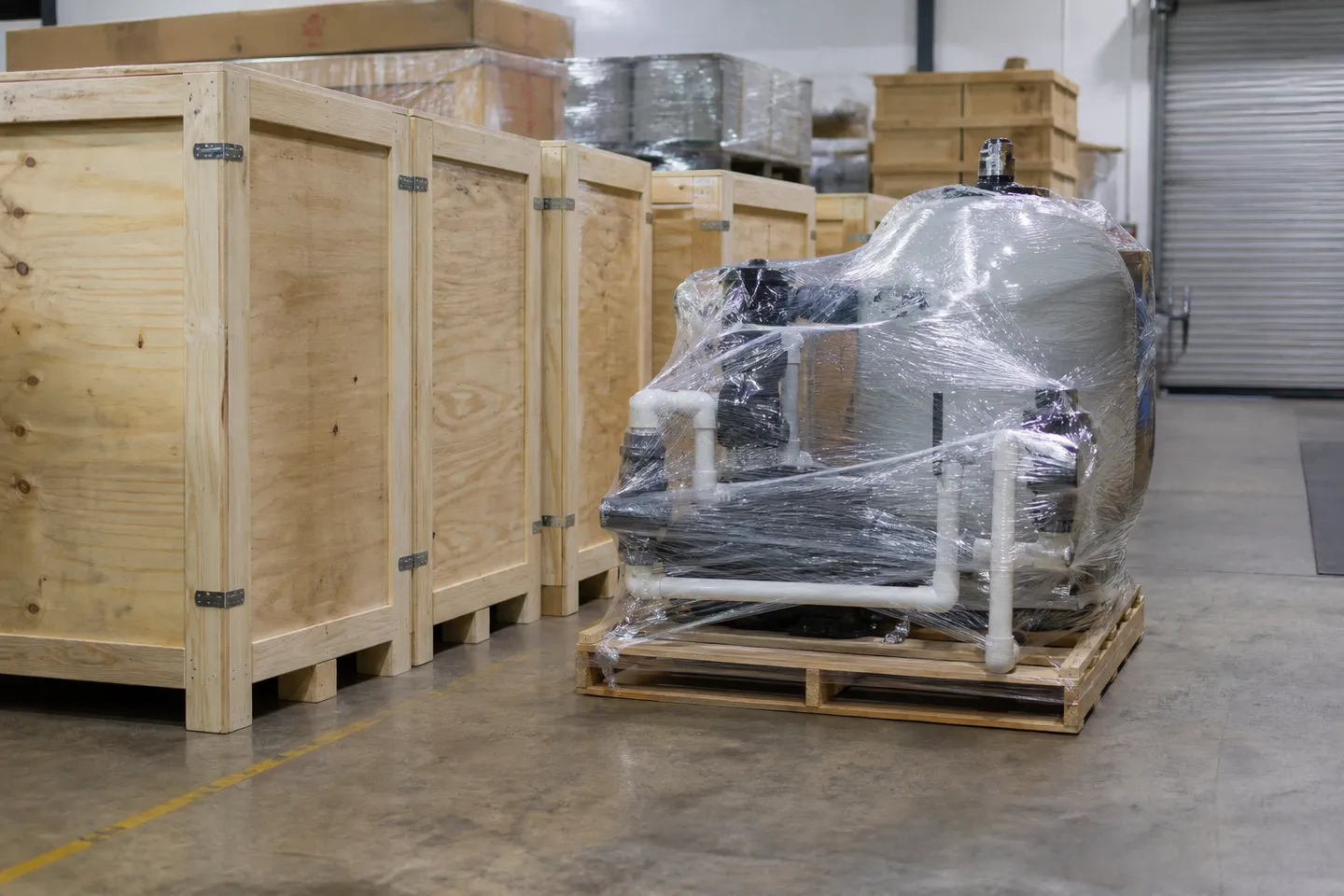
- Crate design for motors, filters and cover rollers;
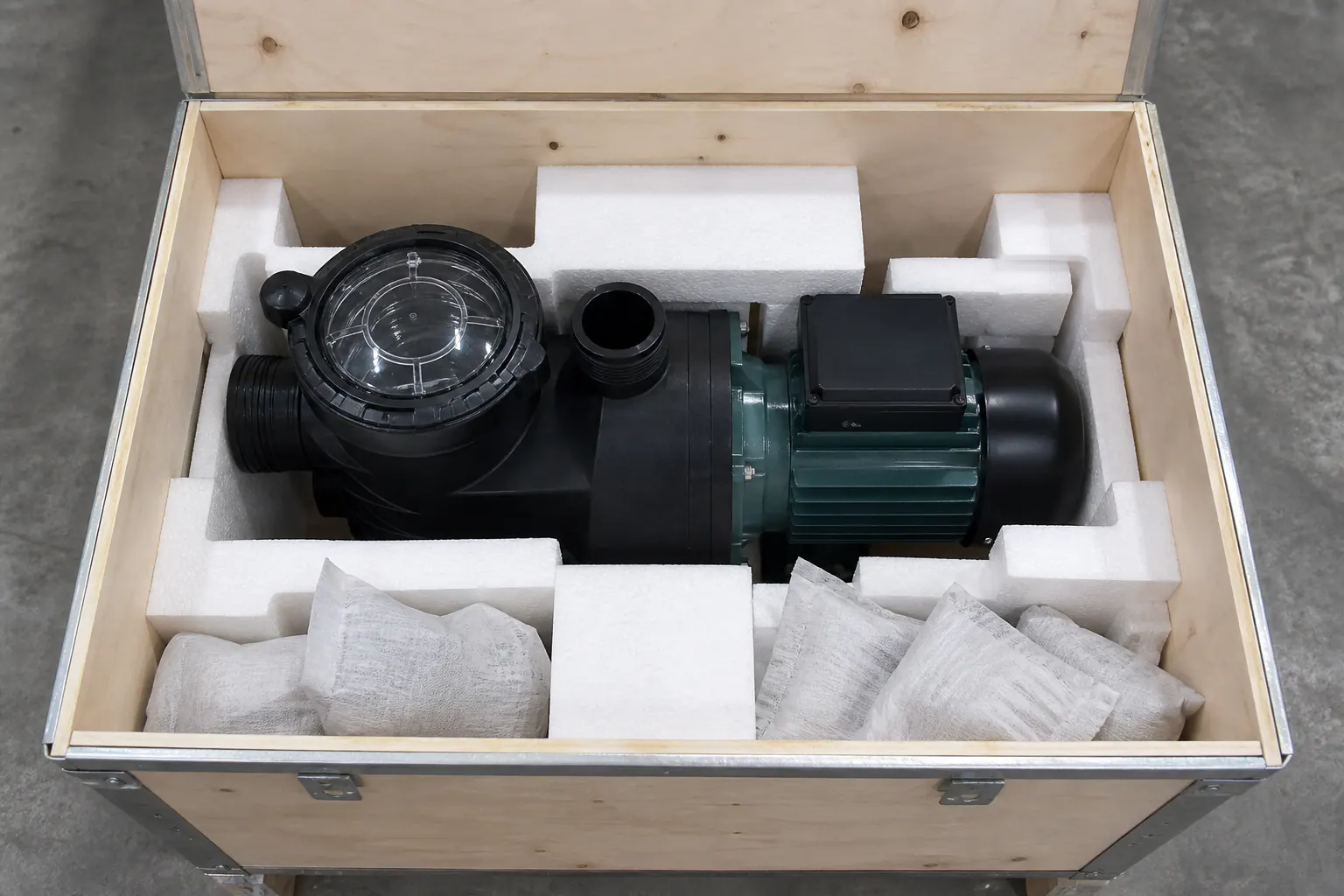
- Moisture barrier and desiccant for electrical goods;
- Lifting points and “this way up” marks;
- Spare parts packed to be found without emptying every crate;
- Delivery point, Incoterms and who insures in-transit damage; stated, not assumed.
Request packing photographs before the crate closes when the order or quality plan allows it. The photographs should show the item identity, supports, moisture protection and accessory boxes. Keep package identifiers visible so the destination team can match a damaged crate to the packing list without opening every package.
Long or awkward items such as cover rollers need a stated lifting method and support arrangement. Use the manufacturer’s handling instructions and the carrier’s requirements. Do not improvise lifting points from the crate appearance.
Plan the destination before dispatch
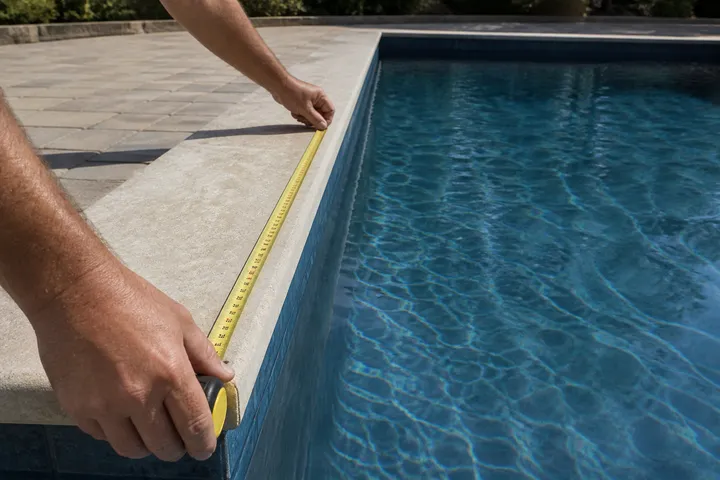
Confirm the unloading equipment, access route, covered storage and the person authorized to accept the shipment. Check whether the destination can keep electrical goods dry and protected until installation. If the site is not ready, agree on another storage location before the goods leave.
Send the latest BOM, packing list and inspection form to the receiving team. They should not have to obtain the technical submittal from the installer after a damaged package is discovered.
Destination acceptance
- Count against the drawings and BOM;
- Photograph damage before signing;
- Verify nameplates against the approved data sheets;
- Store chemicals and electrics out of sun and standing water until installation.
Open packages in a controlled order and keep labels with the related parts. Record shortages, damage and model differences against the package identifier and BOM line. Do not power equipment merely to complete a receiving check unless the approved procedure calls for it.
Quarantine a nonconforming item instead of mixing it with accepted equipment. The record should state the issue, evidence, person notified and agreed disposition. Keep damaged packaging until the carrier or insurer releases it if a claim may follow.
After acceptance, update the equipment schedule with the delivered model and serial information. That same record should continue into installation and commissioning.
Related buyer-side pages are in the Procurement & Specifications hub.
Frequently asked questions
What fails most often on imported pool equipment?
Wrong voltage or plug arrangements, incomplete small parts, water damage in poorly packed motors, and data sheets that do not match the delivered model.
Should I import a complete equipment package or buy locally?
Import when the package is specified tightly and local supply cannot match it. Buy locally when service, voltage or code marks must be obtained in-country. The decision is about support and compatibility, not about a country of origin slogan.
Sources
- Importing into the United States — U.S. Customs and Border Protection Accessed August 23, 2026.
- Commercial Invoice Requirements — U.S. Customs and Border Protection Accessed August 23, 2026.
- Pool Pumps — ENERGY STAR Accessed August 23, 2026.