Direct answer
A pool renovation succeeds when it starts from a condition assessment, fixes structure and plumbing before surfaces, upgrades equipment as one coordinated package rather than piecemeal, and schedules retrofit additions like automatic covers and automation while the deck and plumbing are already open.
Key takeaways
- Assess before you scope; leaks, plumbing condition and electrical compliance determine the real project.
- Order matters; structure, then plumbing and equipment, then surfaces, then deck; finishes go last.
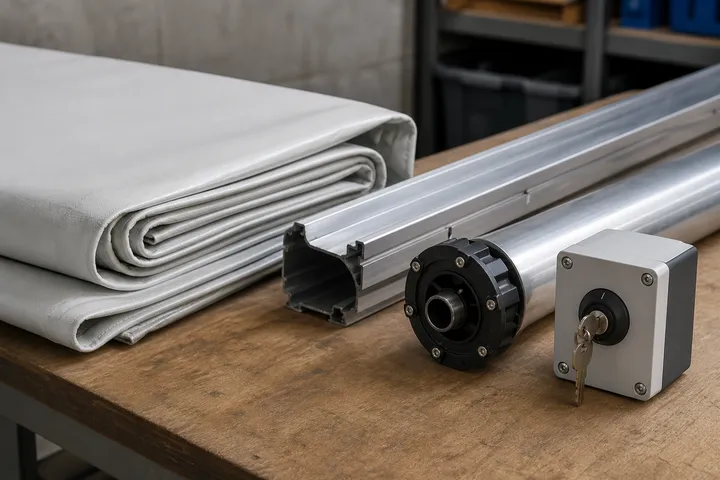
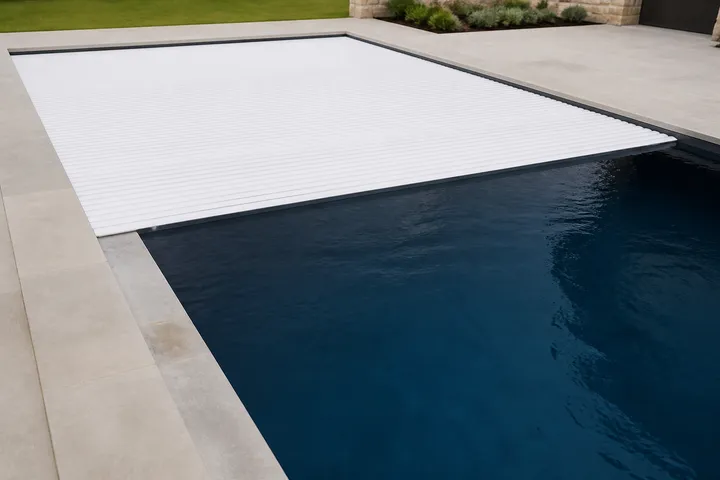
- A renovation is the cheapest moment to add covers, automation and efficient pumps, because access already exists.
- Old pools rarely match old drawings; measure and verify before committing to any retrofit dimensions.
Renovations differ from new builds in one fundamental way: the project starts with unknowns already buried in the ground. The planning discipline is therefore assessment first, scope second, and a sequence that never puts finished surfaces ahead of the systems underneath them.
Stage 1: Condition assessment
Before scoping anything, establish:
- Water tightness: pressure-test suspect plumbing, investigate persistent water loss;
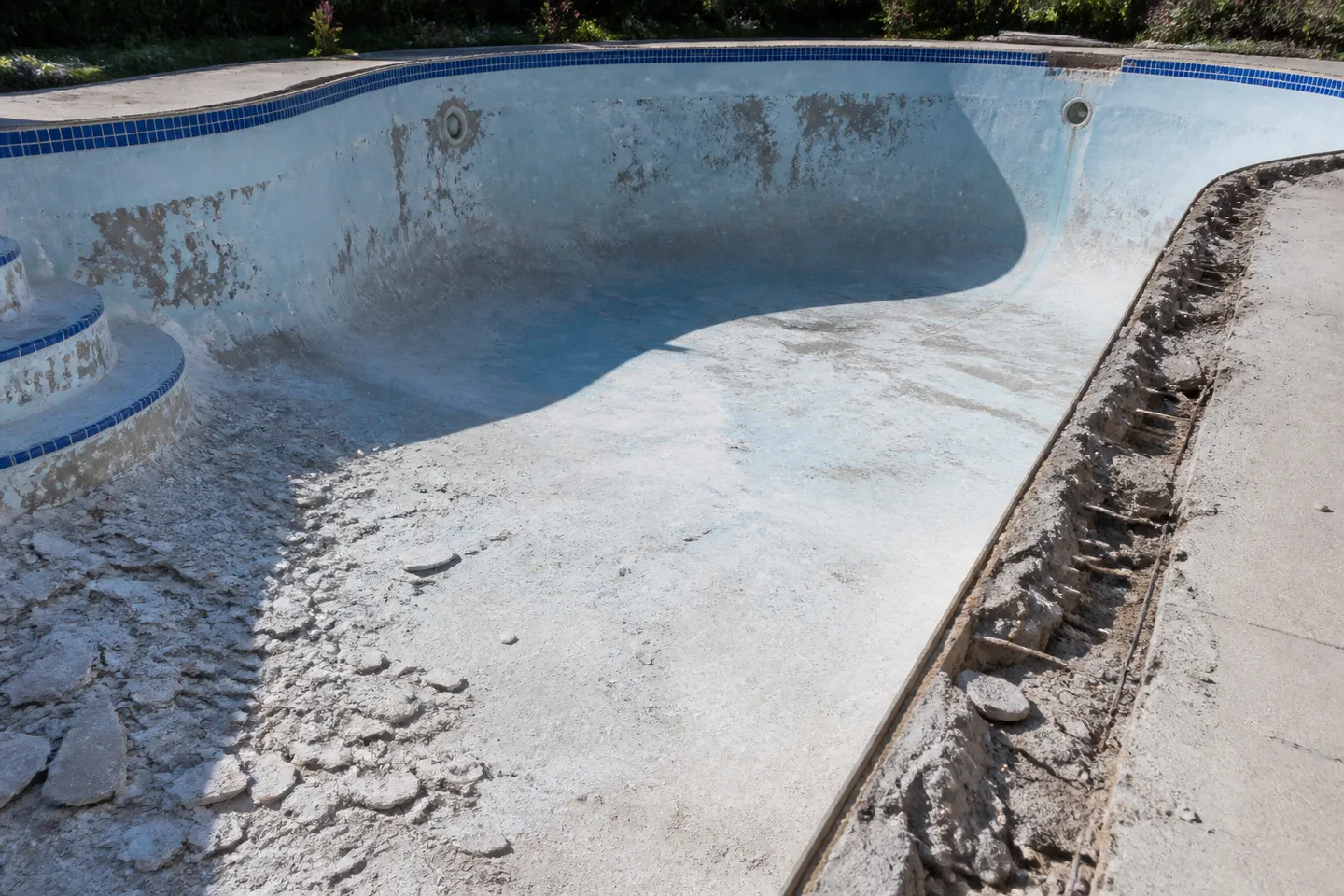
- Structure: shell cracks, delamination, coping and deck movement;
- Plumbing: material, diameter and condition; old undersized suction lines cap what any new pump can do;
- Electrical: bonding, protection and code compliance, which may be mandatory to remedy once work begins;
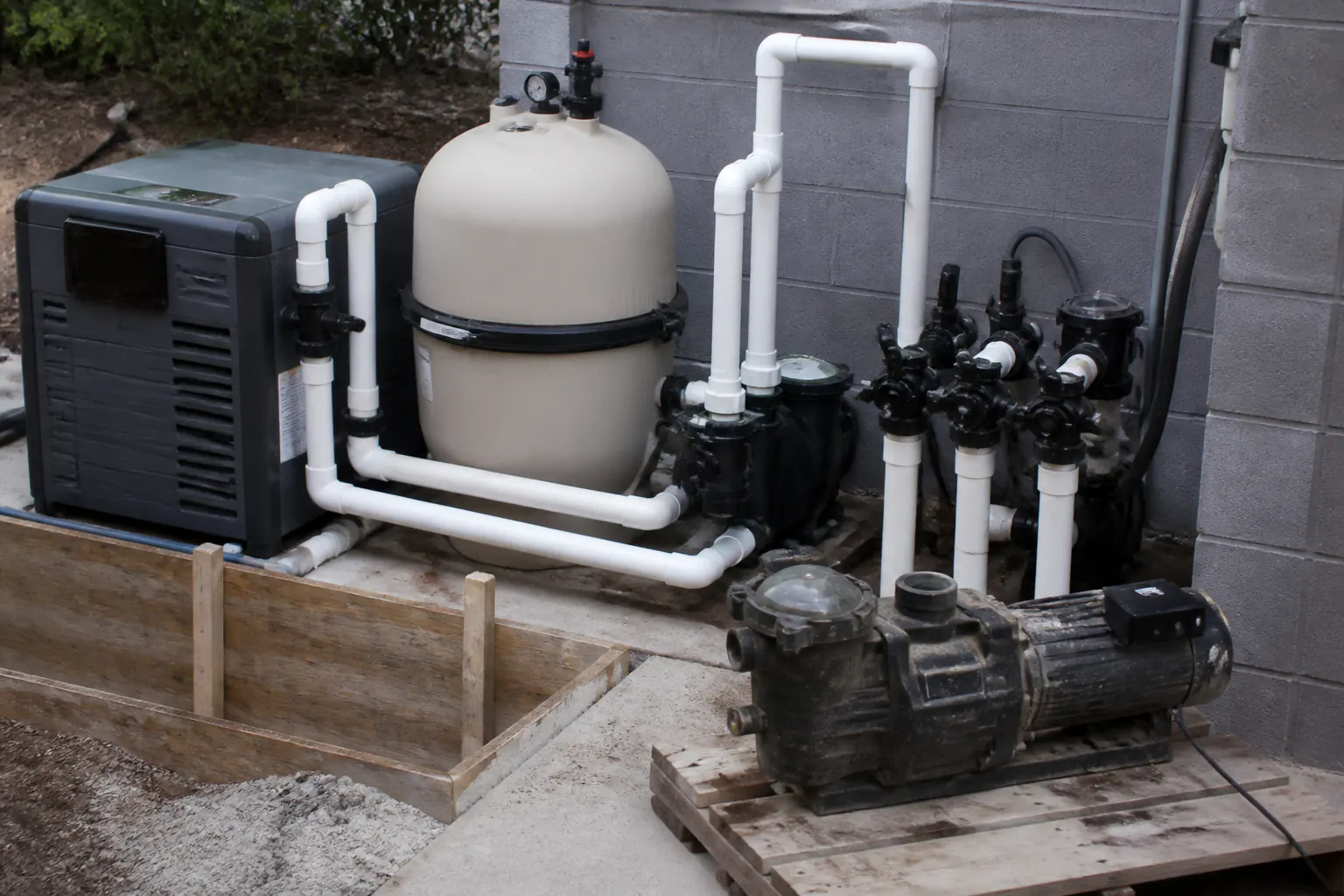
- Equipment: age, efficiency and parts availability for each item in the circulation loop;
- Safety: barriers, drain covers and alarms against current requirements.
Old drawings deserve suspicion: verify dimensions on site before any component that depends on them (especially retrofit cover feasibility) is priced.
Make the survey evidence part of the scope package. Use photographs keyed to a plan, pressure-test results, dimensions, equipment nameplate details and a list of areas that could not be inspected. Separate observed defects from suspected causes. A wet area near a pipe route, for example, is evidence to investigate rather than proof of which joint failed.
For concealed work, state the next inspection step and who owns it. This keeps a provisional allowance from being mistaken for a confirmed repair scope.
Stage 2: Scope decisions
| Decision | Guidance |
|---|---|
| Repair vs renovate | Recurring repairs on an aging pool usually argue for one planned renovation |
| Surfaces only vs systems too | If equipment is past mid-life, bundle it; the pool is already down |
| Add retrofit systems? | Covers, automation and efficient pumps cost least while deck and plumbing are open |
| Keep or change geometry | Shape changes escalate to reconstruction; be deliberate |
When access is already open, compare the remaining life and operating cost of the existing equipment with a coordinated replacement. ENERGY STAR notes that certified pool pumps can use substantially less energy than standard models, but project savings depend on sizing, hydraulics, schedules and controls. Use the pump sizing method before selecting a replacement.
Evaluate each retained item against the proposed system, not only against whether it still runs today:
- Does its rated flow and pressure range match the new hydraulic design?
- Can replacement parts and qualified service still be obtained?
- Will its controls communicate or interlock with the new equipment?
- Can it be isolated and removed after new finishes are complete?
- Is its remaining service life consistent with the planned shutdown cycle?
- Are documentation, labels and electrical data available?
Record the reason for every keep, repair or replace decision. That record gives the owner a usable plan for items intentionally deferred instead of allowing them to disappear from the renovation scope.
Manage unknowns without hiding them
Renovation pricing should distinguish defined work, unit-rate work and allowances for concealed conditions. Identify the event that releases each allowance, such as opening a test area, pressure testing a line or removing a section of deck. Require written approval before the provisional scope expands.
Build the schedule around inspection points. Once finishes cover a pipe, conduit or structural repair, later verification becomes expensive. Photograph concealed work, record test results and obtain the required acceptance before the next layer proceeds.
Stage 3: Sequence
- Drain and protect; 2. Structural repairs; 3. Plumbing modifications and pressure test; 4. Equipment room work and new equipment set; 5. Retrofit systems that touch the shell or deck; cover tracks and housing, lighting conduits; 6. Surfaces (plaster, liner, tile); 7. Deck and coping; 8. Fill, commission, balance, document.
The expensive mistake is inverting steps 5 and 6: cutting a finished surface for a track or conduit that was known about all along.
Protect retained equipment and finished areas throughout the sequence. Define who controls draining and refilling, how groundwater or shell movement risks are assessed, where demolition debris travels and which systems must remain available to the property. These are project-specific decisions that belong in the method statement, not assumptions left to the day work begins.
Stage 4: Documentation and handover
Update the drawings to as-built, collect manuals and warranties for everything new, and record commissioning values (flow, pressures, dosing settings). Structuring supplier scope and documentation from the first quotation onward follows the pool equipment RFQ guide, and related guides live in the Pool Renovation & Retrofit hub.
Before filling, close the inspection records for the shell, plumbing, electrical work, cover interfaces and finishes. During startup, test the intended operating modes, verify that retained and new equipment work together, and record baseline readings in clean conditions. Update valve labels and operating instructions to match the final arrangement.
The final package should also list deferred work, remaining service-life concerns and recommended review dates. A renovation often keeps part of the old system by design. Making those limits visible helps the operator distinguish an accepted future task from a new defect.
Frequently asked questions
Should equipment be replaced during a surface renovation?
Evaluate equipment condition, performance, parts availability and the cost of future access while the pool is already out of service. A coordinated replacement can make sense, but the decision should use measured loads and a lifecycle cost comparison.
How long does a full pool renovation take?
Scope drives duration; a resurfacing with equipment swap commonly runs several weeks; adding structural repairs, deck work or retrofit systems extends the schedule. The sequence in this guide protects against the classic delay of trades waiting on each other.
Sources
- Pool Safely campaign resources — U.S. Consumer Product Safety Commission Accessed August 23, 2026.
- Pool Pumps — ENERGY STAR Accessed August 23, 2026.