Direct answer
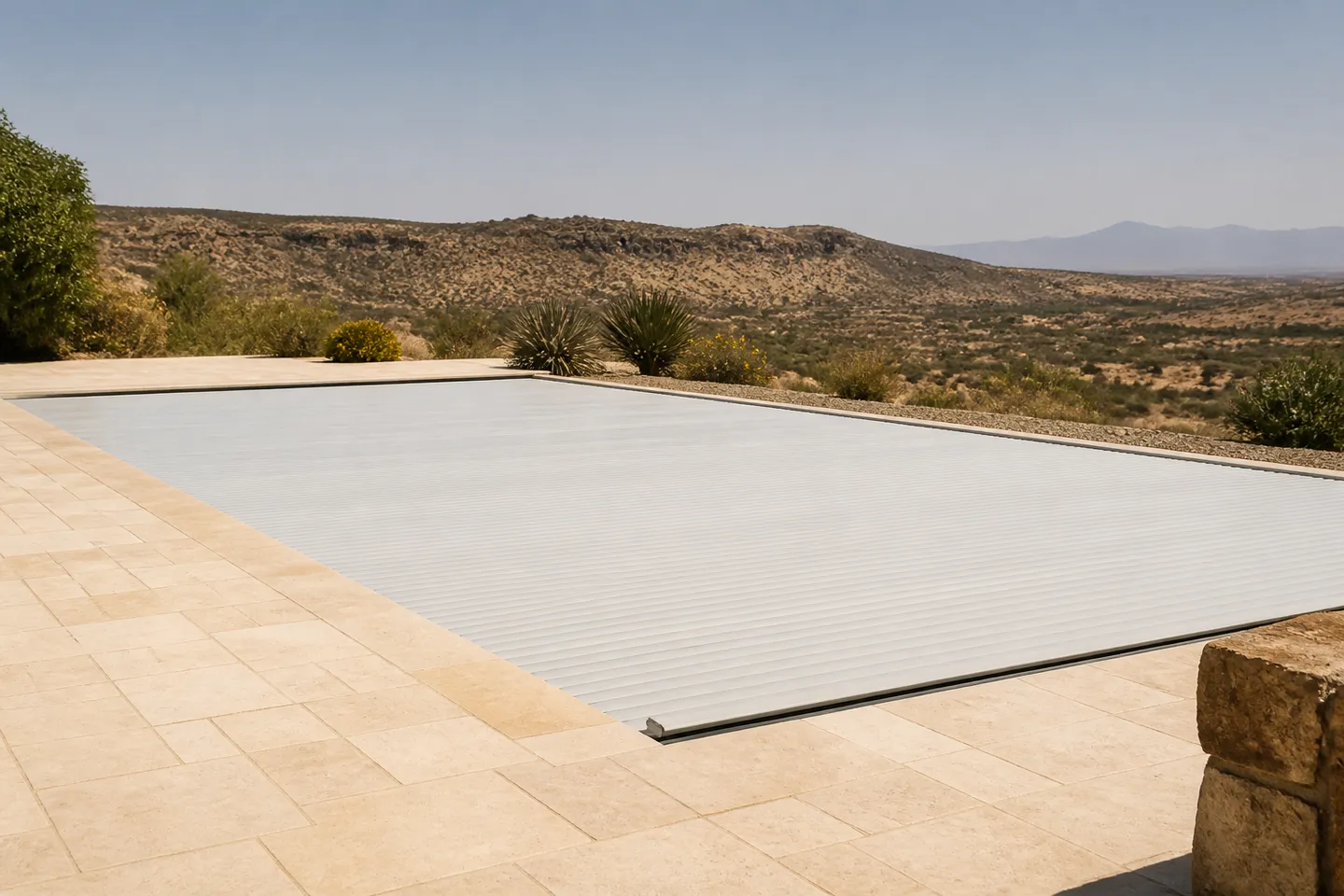
In hot, dry and dusty regions, a cover can reduce evaporation, but the system also faces higher UV, heat and debris exposure. Ask for documented environmental limits, reliable housing drainage, track-cleaning access and a maintenance schedule suited to the site.
Key takeaways
- Evaporation control delivers the largest benefit precisely where heat and dry wind are harshest, making covers high-value in hot climates.
- Specify UV-stabilized fabric and ask for the manufacturer's temperature and UV exposure guidance in writing.
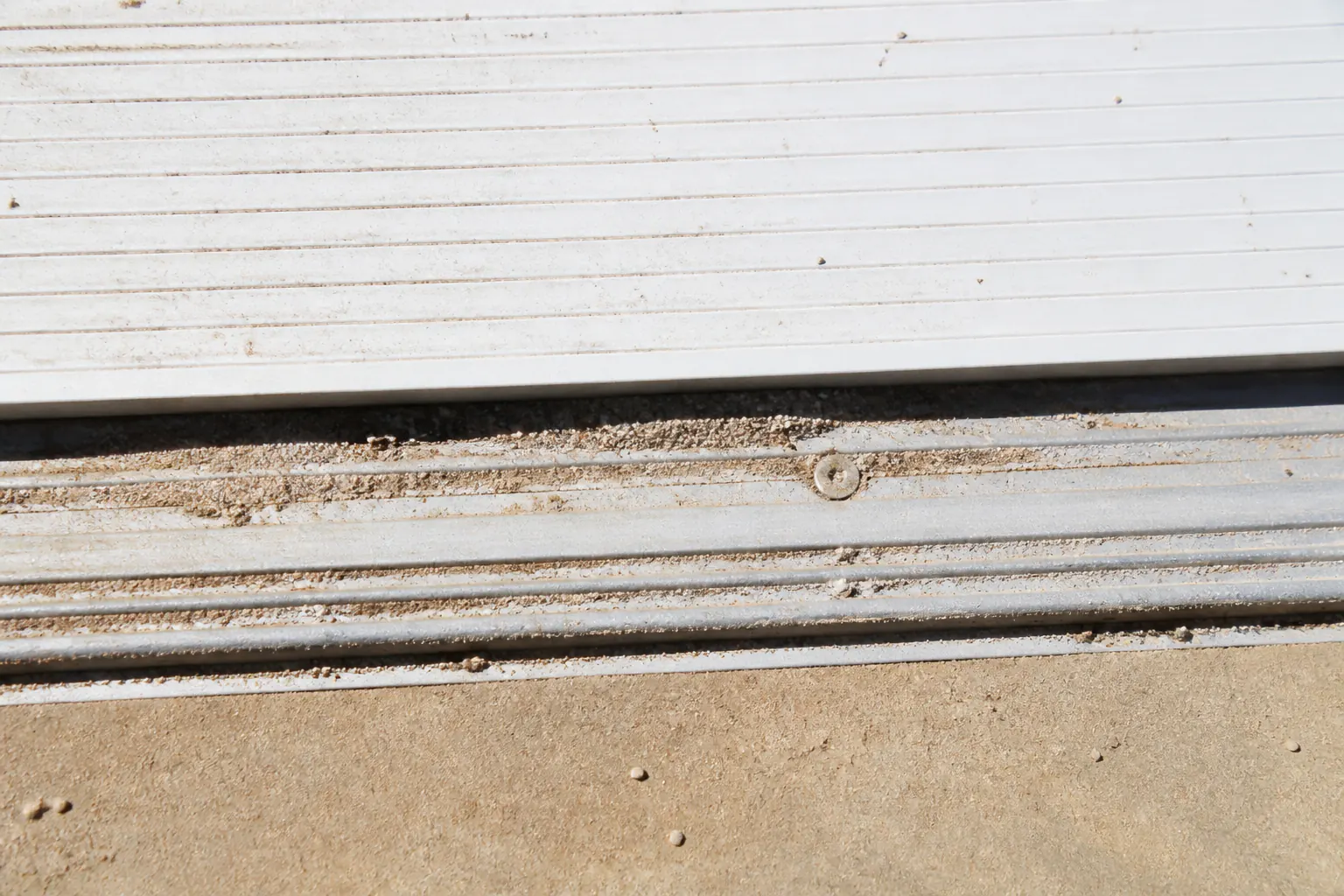
- Dust and sand accumulate in tracks and housings; both need cleaning access, not just clearance.
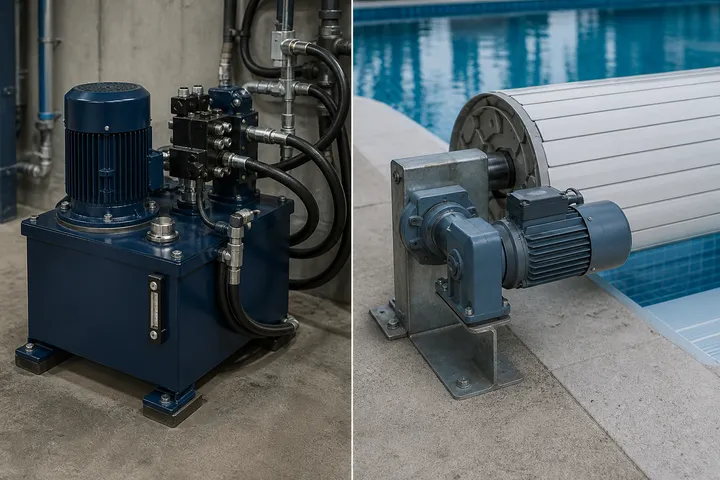
- Electric motors in closed pits suffer in high ambient heat; larger or heavily used pools should evaluate hydraulic drives.
Hot, dry and dusty sites expose a cover to steady sun, warm housings and windblown grit. The proposal should address those conditions in the product documents, housing layout and maintenance plan.
Why the benefit is largest here
EPA WaterSense guidance identifies evaporation as a major source of pool water loss and describes regular cover use as a conservation measure. The water and heating effects depend on the site and on how consistently the cover is used.
What heat and dust attack
| Component | Stressor | Specification response |
|---|---|---|
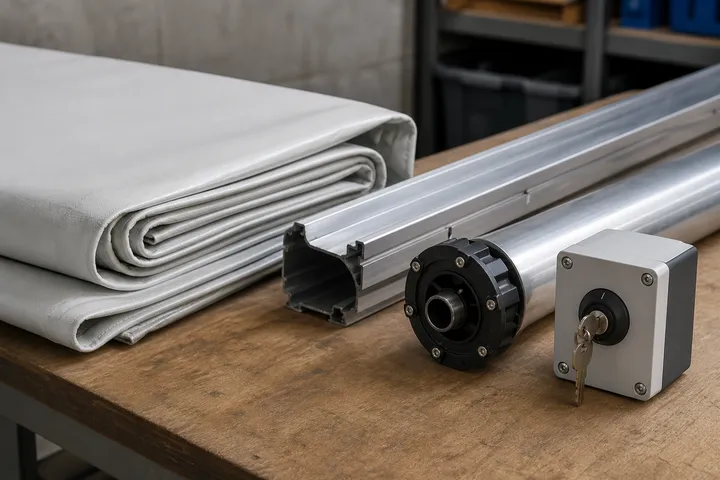
| Fabric | UV, sustained heat | UV-stabilized material, exposure-adjusted warranty |
| Drive motor | High ambient heat in closed pits | Ventilated/shaded housing; consider hydraulic for large pools |
| Tracks | Sand and dust ingress | Cleanable profiles, scheduled flushing |
| Housing & pit | Dust, irrigation water, debris | Sealed lid, reliable drainage, service access |
| Controls | Heat, dust on keypads | Rated enclosures, shaded mounting |
For the drive, compare each manufacturer’s approved cover size, duty guidance, environmental limits and equipment-location requirements using the criteria in hydraulic vs electric drives.
Detail the housing and track zone
Shade the housing where the product instructions and deck design allow it, while keeping the required ventilation and service access. The pit drainage should account for water that reaches the housing from rain or irrigation. Show the outlet and discharge route on the drawings. The complete automatic pool cover guide covers the wider drainage scope.
Tracks need cleaning access along their full length. Keep planting, loose aggregate and deck details from blocking that access. At the housing, the lid should open without removing fixed furniture or another building element.
The operating plan should reflect the pool’s temperature and opening hours. Staff or owners need a clear rule for when the cover closes, who can operate it and what to check before moving it. The rule should follow the installed product manual rather than a generic schedule.
Build a site maintenance record
Use a short log for track condition, fabric condition, housing drainage and drive observations. The frequency should follow the manufacturer and the site’s dust load. Recording what was cleaned or adjusted is more useful than a checklist that is signed without detail.
After a dusty or windy period, inspect the track and housing before operating the cover if site conditions warrant it. Do not assume the drive will pull through accumulated grit. If the cover begins to travel unevenly or the leading edge meets an obstruction, stop and follow the product instructions.
At seasonal handover, keep the cleaning method, approved products, warranty conditions and service contacts with the operating manual. This information matters when staff changes or an outside maintenance company takes over.
Commercial and hospitality projects
Hotel and resort pools may add longer operating hours and more staff handoffs. Specify the cover alongside the operating and maintenance plan described in the hotel and resort pool planning guide.
Specification checklist
Ask every supplier for: UV and temperature ratings for fabric and components; duty-cycle guidance at high ambient temperature; housing ventilation and drainage requirements; a regional reference installation if available; and a maintenance schedule adjusted for dust. Record site dimensions on the measurement sheet and keep the full system scope from the Automatic Pool Covers & Safety hub in front of you when comparing offers.
Ask the bidder to mark any condition the proposed warranty excludes. That makes the comparison specific to the site instead of relying on a general statement that a product is suitable for outdoor use.
The quotation should also separate cover-system work from builder work. List the housing, lid, drainage connection, electrical supply and any remote power-unit location. This makes it clear which climate protections are part of the product offer and which still need to appear in the construction scope.
Frequently asked questions
Does a pool cover make the water too hot in summer?
In peak summer in hot regions a closed cover can raise water temperature above comfort. Operators often run covers overnight for evaporation control and open them strategically, or pair the pool with active cooling.
How long does cover fabric last in high-UV regions?
Service life varies by material, UV exposure, temperature, chemistry, use and maintenance. Ask the supplier for the warranty terms and care instructions that apply to the project location.
Sources
- WaterSense at Work, Commercial Pool and Spa Equipment — U.S. Environmental Protection Agency Accessed August 23, 2026.
- ASTM F1346 Standard Performance Specification for Safety Covers — ASTM International Accessed August 23, 2026.
- T3 Evo Automatic Pool Cover Owner's Manual — Cover-Pools Accessed August 23, 2026.