Direct answer
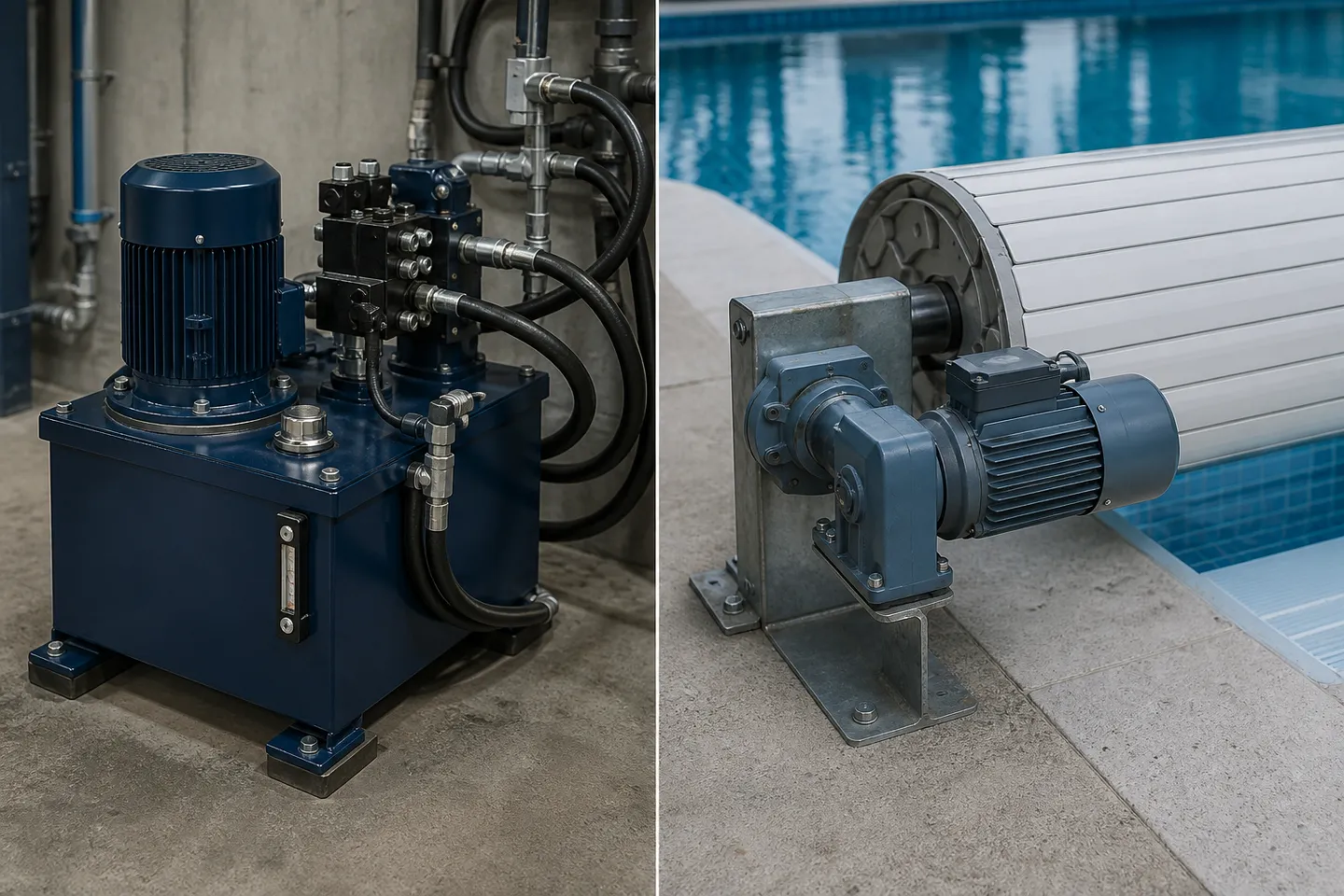
Electric drives place an electric motor near the roller and are common on residential systems. Hydraulic drives use a remote power unit and a hydraulic motor at the roller. Selection depends on the approved cover size, duty cycle, equipment location, drainage, service access and manufacturer requirements.
Key takeaways
- Electric drives are simpler and cheaper; hydraulic drives handle larger covers, heavier duty cycles and wetter motor locations.
- Hydraulic systems move the power unit away from the pool, which helps when the roller pit is tight or flood-prone.
- Commercial and heavily used pools usually justify hydraulic; typical residential rectangles usually do not.
- Whichever drive you choose, pit drainage and housing dimensions must be designed around it.
Every automatic pool cover needs a drive to turn its roller. Electric systems place the motor at the roller. Hydraulic systems place a power unit elsewhere and run fluid lines to a hydraulic motor at the roller. The right arrangement depends on the approved cover size, expected use, equipment location and access for service.
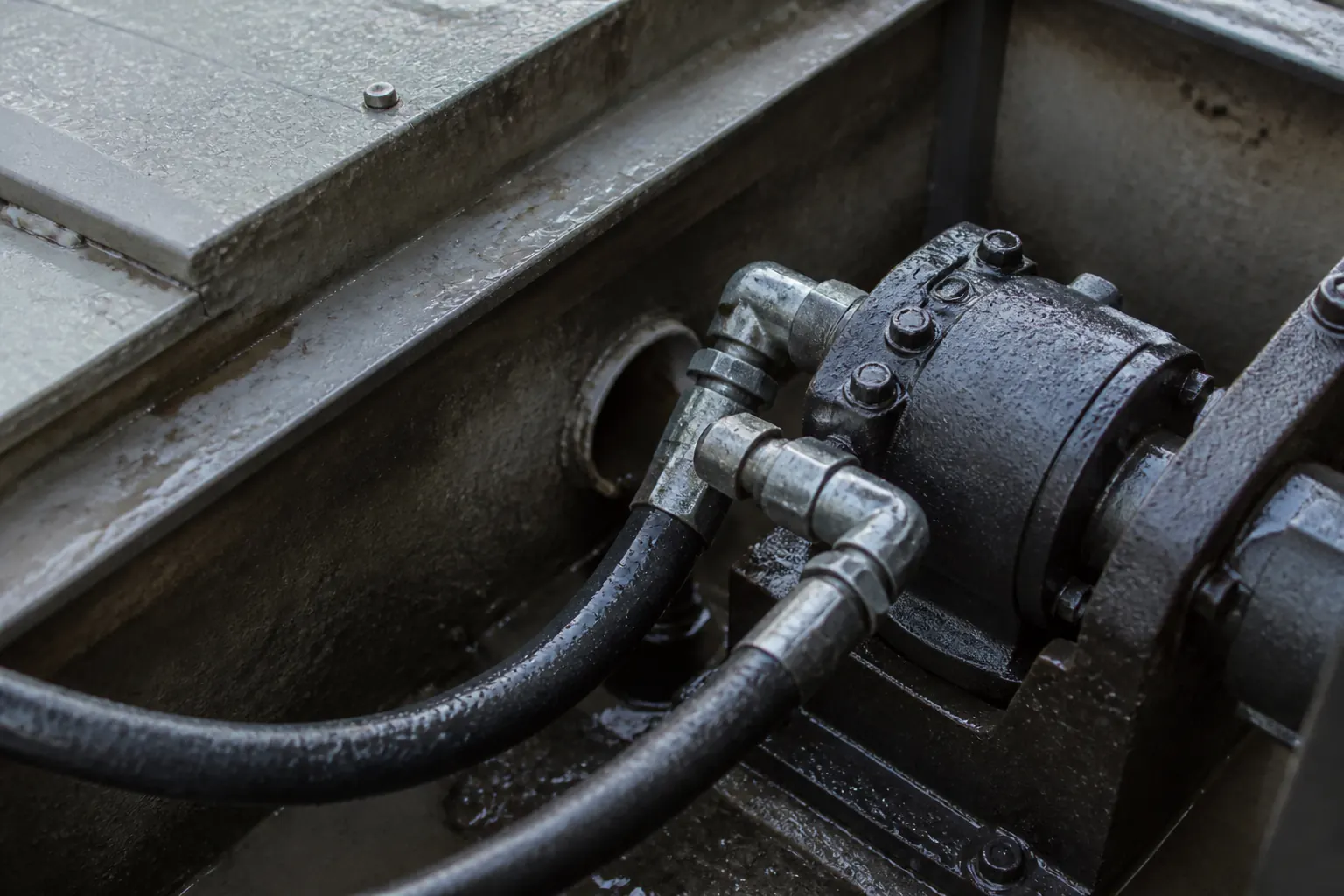
Where each option tends to fit
Electric drives are commonly offered for residential rectangular pools when the housing is dry, drained and accessible. Hydraulic systems are considered when the approved cover size or expected use falls outside the electric option, or when a remote service location suits the project better. The manufacturer still has to approve the final combination of cover, roller and drive.
Compact comparison
| Factor | Electric drive | Hydraulic drive |
|---|---|---|
| Power source location | At the roller | Remote power unit, fluid lines to roller |
| Cover size capability | Small to medium | Medium to very large |
| Duty cycle tolerance | Moderate | High |
| Wet-pit tolerance | Requires a dry, drained motor location | Motor arrangement may suit wetter locations, subject to the installation manual |
| Typical cost | Lower | Higher |
| Maintenance items | Motor, limit settings | Power unit, fluid, lines, motor |
| Noise at poolside | Motor audible at pit | Quieter at pool; hum at power unit |
Performance and installation differences
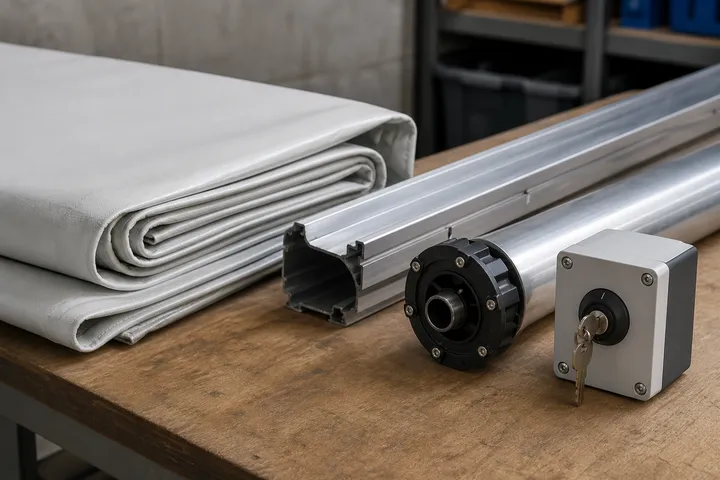
An electric motor turns the roller directly. This keeps the parts list short, but it places the motor in the housing beside the pool. The housing must drain, and the electrical supply must follow the applicable installation requirements.
A hydraulic system divides the machinery between the roller and a remote power unit. The arrangement adds hoses, a reservoir and another service point. It can also move much of the service work away from the pool deck. The proposed power-unit location should be reviewed with the pool equipment room design rather than chosen after the cover pit is complete.
Check the location before choosing the drive
Mark the roller housing and proposed service location on one plan. Then trace the electrical conduit or hydraulic hose route between them. The plan should also show the drainage outlet, access path and the space needed to open the housing.
For an electric system, confirm that the offered motor arrangement fits the housing and that the installer can reach the motor and limits. For a hydraulic system, confirm where the power unit will sit, how its hoses reach the roller and how staff will access it without entering the pool deck area. A remote unit does not help if it ends up behind other equipment or inside an unventilated enclosure.
Climate and project considerations
Heat, dust and irrigation water affect either arrangement. Ask the supplier for the environmental and location requirements that apply to the offered drive. Smaller pools may still use an electric system when the approved product fits and the housing is dry and accessible. Larger or heavily used projects may warrant a hydraulic proposal. The site questions are covered in pool covers for hot climates.
Compare offers against the same questions
| Question | Evidence to request |
|---|---|
| Does the drive cover the proposed pool dimensions? | Approved size range for the offered model |
| Does it suit the expected operating pattern? | Manufacturer duty guidance |
| Can it be installed in the proposed housing? | Dimensioned installation drawing and clearances |
| Can it be serviced? | Access requirements and service procedure |
| What must the builder provide? | Conduit or hose route, drainage, power and mounting details |
Price the builder work with the drive. A cheaper motor can produce a more expensive installation if the proposal needs an unplanned pit change or a long new service route.
What to ask a supplier
Request the drive’s rated cover dimensions, duty-cycle guidance, motor location and clearance requirements, drainage requirements, and the service schedule for the power unit or motor. Then confirm the drive decision against the track layout in undertrack vs toptrack systems and the overall scope in the complete automatic pool cover guide.
Before handover, operate the cover through a complete cycle and record the final control settings and service locations. Keep the drive manual with the component schedule so a later service visit starts with the installed model rather than an assumption.
Frequently asked questions
Which drive lasts longer, hydraulic or electric?
Service life depends more on drainage, water exposure and maintenance than on drive type. Hydraulic motors tolerate wet pits better; electric motors in dry, drained housings also run for many years.
Can I switch from electric to hydraulic later?
Sometimes, if the housing and conduit runs allow it, but the power unit needs a dry, accessible location and hydraulic lines must be routed to the roller; much easier to plan up front.
Sources
- Coverstar Installation Guide — Fluidra Accessed August 23, 2026.
- HydraMatic Compact Installation Manual — Aquamatic Cover Systems Accessed August 23, 2026.
- ASTM F1346 Standard Performance Specification for Safety Covers — ASTM International Accessed August 23, 2026.